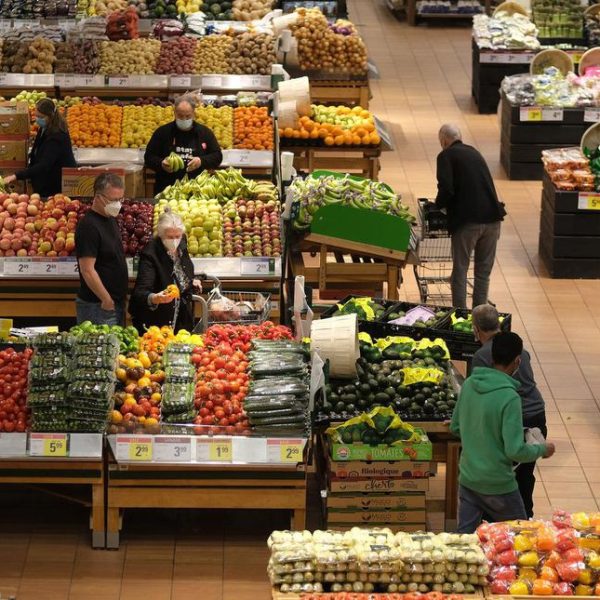
The grocery business in the USA is a vital part of the country's economy. It is an industry that touches the lives of every American, with over 38,000 supermarkets and grocery stores scattered throughout the country. Grocery stores are where we purchase food for our families, and it is an industry that is constantly evolving to keep up with changing consumer trends.
The grocery business is highly competitive, with some of the largest supermarket chains operating in the USA. The top three grocery retailers in the country are Walmart, Kroger, and Albertsons. The grocery business generates a significant amount of revenue for the economy, with sales in the industry surpassing $1 trillion in 2019.
One of the most significant challenges for the grocery business in recent years has been the rise of e-commerce. Online grocery sales have been growing rapidly, and traditional brick-and-mortar stores have had to adapt to stay competitive. In 2020, online grocery sales in the USA reached $38 billion, up 54% from the previous year. The COVID-19 pandemic accelerated this trend, with many consumers switching to online grocery shopping to avoid going to physical stores.
Another challenge for the grocery business has been the rise of discount stores. Dollar stores, such as Dollar General and Family Dollar, have been expanding rapidly, offering low prices on basic grocery items. These stores have been able to attract price-sensitive consumers who are looking to save money on their grocery bills.
Despite these challenges, the grocery business has remained resilient. In recent years, there has been a growing trend towards health and wellness, with consumers looking for healthier food options. This has led to the rise of organic and natural food products, which have become increasingly popular in grocery stores. According to a survey conducted by the Organic Trade Association, sales of organic food in the USA reached a record high of $56.4 billion in 2020.
The grocery business in the United States is a vital part of the country's economy. With a population of over 330 million people, there is a constant demand for food and other household essentials, and the grocery industry serves as the primary source for meeting this demand. The industry has experienced significant changes and challenges over the years, with many trends and factors influencing its growth and evolution.
The grocery industry in the United States is incredibly competitive. According to IBISWorld, the industry's revenue was $687.5 billion in 2021. With so many players in the market, grocery stores have to continually adapt and evolve to keep up with the latest trends and consumer demands. In this blog post, we'll take a look at some of the key trends and factors shaping the grocery industry in the United States.
1.Increased Demand for Online Grocery Shopping
One of the most significant trends in the grocery industry is the increase in online shopping. According to Statista, online grocery sales in the United States are projected to reach $112.9 billion by 2025, up from $38.16 billion in 2020. The COVID-19 pandemic has accelerated this trend as more consumers turn to online shopping for groceries to avoid exposure to the virus.
In response, grocery retailers have invested heavily in their online platforms, offering a variety of options for delivery, pickup, and even curbside pickup. Amazon's acquisition of Whole Foods in 2017 has also had a significant impact on the online grocery market, as the retail giant expands its reach in the industry.
2.Increased Focus on Health and Wellness
As consumers become more health-conscious, there is a growing trend in the grocery industry towards healthier, more organic, and locally-sourced products. This trend has been influenced by changing consumer preferences and concerns over food safety and environmental sustainability.
To meet this demand, grocery stores are stocking more organic and natural products, and some are even introducing their own private-label lines of organic and healthy foods. Retailers like Whole Foods, Trader Joe's, and Sprouts Farmers Market have been at the forefront of this trend, offering a wide range of organic and natural products to health-conscious consumers.
3.Rise of Private-Label Brands
Another significant trend in the grocery industry is the rise of private-label brands. Private-label brands, also known as store brands, are products that are manufactured by a third-party company and sold under a retailer's own brand name. According to Nielsen, private-label brands accounted for 18.4% of all dollar sales in the grocery industry in 2020.
Private-label brands offer several benefits to retailers, including higher profit margins, greater control over pricing, and increased brand loyalty. As a result, many grocery retailers are investing in their private-label brands, offering a wide range of products from food and beverage to household essentials.
4.Increased Emphasis on Convenience
Convenience is a key driver for many consumers when it comes to grocery shopping. In response, retailers are offering a wide range of convenience-focused services, such as home delivery, curbside pickup, and even meal kits. Grocery stores are also investing in technology to enhance the shopping experience, such as mobile apps and self-checkout options.
In addition to these services, grocery stores are also stocking more pre-made meals and snack options, making it easier for busy consumers to find quick and healthy meal options on-the-go. This trend is particularly prevalent in urban areas, where consumers are often pressed for time and looking for quick and convenient meal solutions.
In addition to the trend towards healthier food options, there has also been a growing interest in international cuisine. Grocery stores have been expanding their selection of ethnic food products, with many stores offering a wider variety of international foods. This has been driven by the growing diversity of the American population, with many consumers looking to try new and exciting foods from around the world.
The grocery business has also been impacted by changes in consumer behavior. Many consumers are looking for convenience and are willing to pay a premium for it. This has led to the rise of meal kits and delivery services, which offer consumers the convenience of pre-packaged meals that can be prepared at home. These services have become increasingly popular, particularly among younger consumers who are looking for quick and easy meal solutions.
The grocery business has also been impacted by changes in technology. Many grocery stores have adopted new technologies to improve the shopping experience for customers. This includes self-checkout machines, mobile apps, and loyalty programs. These technologies have made shopping more convenient and have helped grocery stores to stay competitive in a rapidly changing industry.
In conclusion, the grocery business in the USA is a dynamic industry that is constantly evolving to keep up with changing consumer trends. The rise of e-commerce, discount stores, and changes in consumer behavior have all impacted the industry in recent years. However, the industry has remained resilient and has adapted to these changes by offering new and innovative products and services. The grocery business will continue to be a vital part of the American economy, providing food and essential items to millions of consumers every day.